


What is intimacy / sexual pain?
Intimacy / sexual pain (dyspareunia) is pain that is experienced in the vulva, vagina or around the pelvis during intercourse, this pain may or may not be accompanied by the inability to tolerate any vaginal penetration including inserting a tampon. The fear and anticipation of pain can result in the tightening of your pelvic floor muscles which adds to the difficulty with penetration during sex.
Signs and symptoms?
- Do you experience pain in and around the vulva, vagina or pelvis during intercourse?
- Do you have trouble inserting a tampon
- Do you experience anxiety around sexual intimacy?
- Do you feel like there is a physical barrier that you cannot get past?
Contributing factors to Intimacy / Sexual pain (Dyspareunia)?
- Overactive pelvic floor muscles. This occurs when the pelvic floor muscles are constantly contracted, and they do not relax between each contraction
- When the pelvic floor muscles fail to relax, they can create muscle spasms and tension, and they can therefore become painful just like any other muscle in our body
- Hormonal changes including menopause or breastfeeding
- Vulval skin disorders
- Your emotions like anxiety, stress or a fear of pain
- Relationship problems
- Medications that reduce sexual desire
- Physical trauma like childbirth or surgery
How can we help?
Physiotherapy for intimacy / sexual pain (dyspareunia)?
Your physiotherapist may treat you as part of a healthcare team along with a sex therapist or psychologist. Treatment for Dyspareunia may include
- Pelvic Floor muscle relaxation techniques
- stretches to help relax the muscles around the pelvis, hips and pelvic floor
- Touch Desensitisation
- Dry needling to tight muscles
- Transcutaneous Electrical Nerve Stimulation (TENS) to help calm the overactive nerves in the area
- Vaginal dilators - progress in size
- Vaginal vibrators to reduce touch sensitivity
- Advise around vaginal moisturisers and lubricants right for you
Other Pelvic Pain conditions

Related Blogs
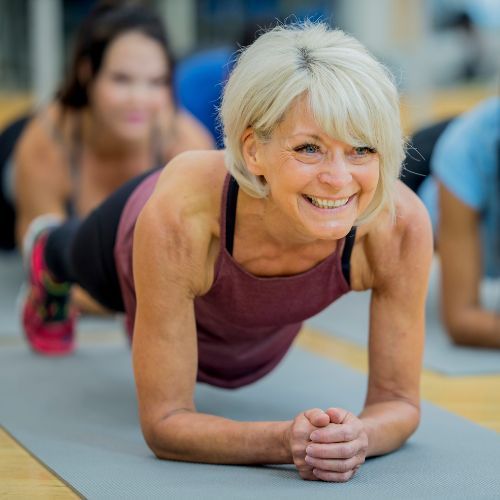
If you've been told that your pelvic pain, bladder symptoms or pelvic floor problems are because your core isn't strong enough, you might have been given a familiar prescription: “Just do more core.” Planks. Crunches. Leg raises. More bracing. But for some people, this advice can actually make symptoms worse. Especially if your pelvic floor is already overactive or struggling to relax. Your pelvic floor is part of your core Your pelvic floor works together with your diaphragm, abdominal muscles and back muscles to help support your body and manage pressure. So yes, core strength matters. But more tension doesn't always equal more support. Your pelvic floor needs to be able to contract when necessary and relax when it's supposed to. When can more core work be a problem? If you're already holding a lot of tension through your abdomen and pelvic floor, constantly bracing your core may increase pressure and muscle activity. This can be particularly relevant if you experience: Pelvic pain Pain during sex Difficulty relaxing your pelvic floor Constipation or difficulty emptying your bowel Urinary urgency or frequency Pain that increases with exercise A feeling of constant pelvic tension In these situations, the goal may not be to make everything stronger. It may be to improve coordination and relaxation. But aren't core exercises good for you? Absolutely. Core exercises can be an important part of rehabilitation and general fitness. The problem is assuming that everyone needs more of them. Someone with poor abdominal strength may benefit from strengthening. Someone who is constantly bracing may need to learn how to let go. And many people need a combination of both. What should you do instead? Rather than asking: “How can I strengthen my core?” The better question is: “How is my core and pelvic floor functioning?” A pelvic health physiotherapist can assess how your breathing, abdominal muscles and pelvic floor work together during movement. Your program might involve strengthening—but it might also include: Breathing exercises Pelvic floor relaxation Movement retraining Mobility work Gradual strengthening Pressure management Exercise modification The right exercise depends on why you're having symptoms. When should you get assessed? If you've been exercising your core regularly but your symptoms aren't improving—or are getting worse—it's worth getting an individual assessment. Particularly if you're experiencing pelvic pain, painful sex, constipation, urinary urgency or persistent pelvic tension. The Bottom Line Your pelvic floor doesn't always need more strength. Sometimes it needs better coordination and the ability to relax. Core training isn't bad. But “just do more core” isn't a complete treatment plan for pelvic floor dysfunction. If your symptoms aren't improving, stop guessing and find out what your muscles actually need. A pelvic health physiotherapist can assess your pelvic floor, breathing and core function and help you exercise in a way that supports your symptoms—not aggravates them.

Putting in a tampon should not feel like you're fighting your own body. Yet for many people, tampon insertion can cause: Pain or burning A feeling of tightness Resistance or a “wall” Difficulty inserting it at all Pain when removing it Discomfort that lingers afterwards And often, the response is, “Just relax.” But if you've tried to relax and it still hurts, there's probably more to the story. Why can tampons hurt? There are many possible reasons. Painful tampon use can be associated with: Pelvic floor muscle tension Vaginal dryness Irritation or infection Skin or vulval conditions Hormonal changes Previous painful experiences Conditions affecting the vulva or vagina Sometimes more than one factor is involved. Could your pelvic floor be too tight? It could be. Your pelvic floor muscles surround the vaginal opening and need to relax to allow comfortable insertion. If these muscles are overactive or you're unconsciously tightening them, inserting a tampon can feel painful, difficult or even impossible. This can happen even if you are otherwise healthy. And importantly, a tight pelvic floor isn't necessarily something you can simply “relax” on command. Pain can create a cycle Imagine inserting a tampon hurts. The next time you try, you naturally expect it to hurt. Your body may respond by tightening the pelvic floor muscles before you've even realised it. Then insertion hurts again. Over time, this can create a cycle: Pain → fear or anticipation → muscle tightening → more pain. Breaking this cycle often requires more than simply trying harder to relax. Does painful tampon use mean something is wrong? Not necessarily, but persistent pain deserves attention. If tampon use has always been painful, has suddenly become painful, or is becoming increasingly difficult, it's worth finding out why. A GP, gynaecologist or pelvic health physiotherapist can help identify potential contributors. How can pelvic floor physiotherapy help? A pelvic floor physiotherapist can assess whether your pelvic floor muscles are contributing to the pain. Depending on your symptoms and comfort level, treatment may include: Education about pelvic floor function Breathing and relaxation strategies Pelvic floor down-training Gentle manual therapy where appropriate Gradual desensitisation Advice around comfortable tampon insertion Strategies to reduce muscle guarding An internal examination is not automatically required. Your physiotherapist should explain your options and work within your comfort and consent. Don't force it If inserting a tampon is painful, don't keep pushing through significant pain. Pain is useful information. And if you're experiencing significant pain, burning, unusual discharge, bleeding or other new symptoms, speak with your GP or gynaecologist to rule out medical causes. Frequently Asked Questions Why does inserting a tampon hurt? Tampon insertion can hurt for many reasons, including pelvic floor muscle tension, vaginal dryness, irritation, infection, hormonal changes or vulval conditions. A healthcare professional can help identify the cause. Can a tight pelvic floor make tampons difficult to insert? Yes. If the pelvic floor muscles around the vaginal opening are overactive or unable to relax, insertion may feel painful, tight or blocked. Can pelvic floor physiotherapy help with painful tampon insertion? Yes. When pelvic floor muscle tension or poor relaxation is contributing to symptoms, pelvic health physiotherapy can help with relaxation, coordination and gradually reducing sensitivity and muscle guarding. The Bottom Line Tampon use shouldn't be something you have to grit your teeth through. If inserting a tampon is consistently painful, difficult or impossible, there may be a reason—and it's worth investigating. You don't need to simply “get used to it,” and you certainly don't need to push through pain. If painful tampon use is affecting your periods, exercise, swimming or everyday life, a pelvic health physiotherapist can help you understand whether your pelvic floor is contributing and work with you towards more comfortable, confident movement.

If you've ever leaked urine when you coughed, sneezed, or exercised, chances are someone has told you to "just do your Kegels." It's one of the most common pieces of advice given for pelvic floor issues—but it's not always the right advice. In fact, for some people, doing more Kegels can actually make their symptoms worse. The truth is that your pelvic floor isn't just about strength. It's about strength, coordination, flexibility, endurance, and the ability to both contract and relax . Just like any other muscle in your body, your pelvic floor needs balance. What are Kegels? Kegels are exercises that involve consciously contracting and relaxing your pelvic floor muscles. They can be incredibly effective for some people, particularly those with weakness contributing to bladder leakage or reduced pelvic floor support. However, they're not a one-size-fits-all solution. Before starting any pelvic floor exercise program, it's important to know why you're experiencing symptoms in the first place. When should you stop doing Kegels? If you're experiencing any of the following symptoms, it's worth seeing a pelvic floor physiotherapist before continuing with strengthening exercises. 1. You have pelvic pain Pain is not usually a sign that a muscle simply needs to get stronger. Many people with pelvic pain actually have overactive or tight pelvic floor muscles that struggle to relax. Adding repeated contractions may increase muscle tension rather than improve symptoms. 2. Sex is painful Pain during intercourse can have many causes, but an overactive pelvic floor is one possible contributor. If your pelvic floor muscles are already working overtime, strengthening exercises alone are unlikely to address the underlying issue. Treatment often focuses on helping the muscles learn to relax, lengthen and coordinate appropriately. 3. You're constantly rushing to the toilet Urgency doesn't always mean your pelvic floor is weak. Sometimes the muscles surrounding the bladder and urethra remain tense, creating altered bladder signals or poor coordination. A comprehensive assessment can help determine what's driving your symptoms. 4. You struggle to empty your bladder or bowels Your pelvic floor needs to relax to allow urine and stool to pass. If these muscles don't let go properly, you may experience: constipation straining incomplete emptying difficulty starting your urine stream. Doing repeated Kegels without addressing relaxation may not be helpful. 5. You feel tight "down there" Some people describe: a feeling of pressure tightness aching muscle spasms difficulty inserting tampons discomfort during pelvic examinations. These symptoms may suggest your pelvic floor is overactive rather than weak. 6. Your symptoms are getting worse If you've been faithfully doing Kegels for weeks or months but your symptoms haven't improved—or they've become worse—it's time to stop guessing. Pelvic floor dysfunction is complex, and not every problem is solved with strengthening exercises. Isn't a stronger pelvic floor always better? Not necessarily. Imagine someone whose shoulders are permanently shrugged up towards their ears. Would giving them shoulder shrugs all day solve the problem? Probably not. Instead, you'd want to help those muscles relax, move normally and regain healthy function. The pelvic floor works the same way. A muscle that's constantly switched on isn't necessarily a strong muscle—it's often a muscle that's working inefficiently. Healthy pelvic floor muscles need to: contract when needed relax fully respond quickly generate appropriate force coordinate with your breathing and core muscles. So who actually needs Kegels? Kegels may be recommended for people experiencing certain types of: stress urinary incontinence (leaking with coughing, sneezing or exercise) reduced pelvic floor strength after pregnancy some cases of pelvic organ prolapse recovery after certain surgeries. Even then, the exercises should be tailored to your individual needs rather than copied from an app or social media video. How do you know if your pelvic floor is weak or tight? The short answer is—you can't tell based on symptoms alone. Many symptoms overlap. For example, both weak and overactive pelvic floor muscles can contribute to: bladder leakage urinary urgency pelvic discomfort feelings of pelvic heaviness. That's why an assessment with a pelvic floor physiotherapist is so valuable. Rather than guessing, they'll assess how your muscles: contract relax coordinate respond during movement work alongside your breathing and core. From there, they can develop a treatment plan that's specific to your body and your goals. Frequently Asked Questions Can Kegels make pelvic pain worse? Yes. If your pelvic floor muscles are already overactive or unable to relax properly, repeatedly contracting them may increase tension and aggravate symptoms. An assessment can help determine whether strengthening, relaxation, or a combination of both is appropriate. Should I stop doing Kegels if they hurt? Pelvic floor exercises shouldn't be painful. If they cause discomfort or worsen your symptoms, stop the exercises and seek advice from a pelvic floor physiotherapist. Are Kegels bad? Not at all. Kegels are an effective treatment for many people—but only when they're prescribed for the right reason. Like any exercise, they work best when they're matched to the individual rather than applied as a universal solution. The Bottom Line Kegels can be incredibly effective—but they're not the answer to every pelvic floor problem. If you've been doing pelvic floor exercises without improvement, or you're experiencing pelvic pain, painful intercourse, constipation or difficulty emptying your bladder, your muscles may need a different approach. A pelvic floor physiotherapist can assess exactly how your muscles are functioning and develop a treatment plan that's tailored to your needs—not just your symptoms. Don't guess whether you should be doing Kegels. If your symptoms aren't improving, book a pelvic floor assessment and find out what your body really needs.
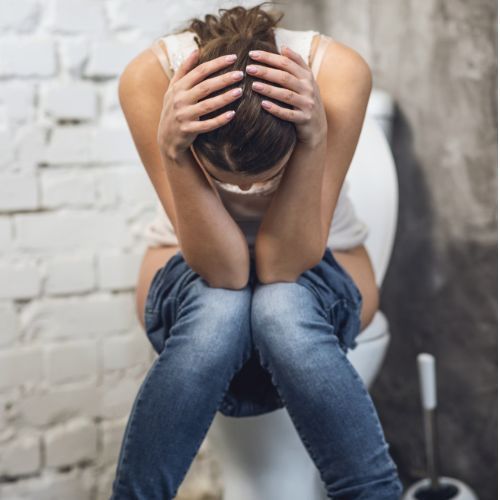
When most people think about constipation, they picture bloating, hard stools or not being able to go to the toilet. But what many people don't realise is that constipation can also contribute to pelvic pain. If you've been experiencing aching in your pelvis, pain around your tailbone, discomfort with sitting, bladder urgency or even pain during sex, your bowel could be playing a much bigger role than you think. The good news? Once constipation is identified and treated, many people notice improvements not only in their bowel habits but in other pelvic symptoms as well. Can constipation really cause pelvic pain? Yes. Constipation can contribute to pelvic pain in several ways. When stool remains in the bowel for too long, it becomes larger, drier and more difficult to pass. This can place extra pressure on the muscles, nerves and organs within the pelvis. Over time, repeated straining or difficulty emptying the bowels may also affect how your pelvic floor muscles function. The result? Pain, tension and symptoms that extend well beyond the bowel itself. How are the bowel and pelvic floor connected? Your pelvic floor muscles form a supportive sling at the base of your pelvis. These muscles help control: bowel movements bladder function support for your pelvic organs sexual function pressure within your abdomen. When it's time to have a bowel motion, your pelvic floor should relax and lengthen to allow stool to pass comfortably. If these muscles remain tight or don't coordinate well, emptying can become more difficult. In some people, constipation leads to increased pelvic floor tension. In others, an overactive pelvic floor contributes to constipation in the first place. Often, it's a combination of both. Signs your constipation may be contributing to pelvic pain Everyone experiences constipation differently. In addition to infrequent bowel motions, you might notice: aching or heaviness in the pelvis pain around the tailbone lower abdominal discomfort pain with prolonged sitting bladder urgency or frequency pain during or after bowel motions discomfort during sex a feeling that you can't completely empty your bowels. These symptoms don't automatically mean constipation is the cause, but they're clues that your bowel and pelvic floor deserve a closer look. The hidden role of straining Many people think straining is simply part of being constipated. It isn't. Repeatedly straining to empty your bowels places extra pressure on your pelvic floor and surrounding tissues. Over time, this may contribute to: pelvic pain haemorrhoids anal fissures pelvic organ prolapse bladder symptoms increased pelvic floor muscle tension. Learning to empty your bowels without excessive straining is an important part of pelvic health. Could your pelvic floor be making constipation worse? Yes. Some people have a pelvic floor that doesn't relax properly during a bowel motion. Instead of opening and lengthening, the muscles tighten or contract, making it difficult for stool to pass. This is sometimes referred to as dyssynergic defecation or pelvic floor dyssynergia, and it can lead to: prolonged time on the toilet excessive straining incomplete emptying repeated constipation despite eating enough fibre and drinking plenty of water. This is one reason why constipation doesn't always improve with diet alone. It's not always about eating more fibre Increasing fibre is often helpful—but it's not the answer for everyone. If your pelvic floor muscles aren't coordinating properly, adding more fibre without addressing the underlying issue may leave you feeling even more bloated or uncomfortable. That's why it's important to understand why you're constipated rather than simply treating the symptom. How can a pelvic floor physiotherapist help? Pelvic floor physiotherapists regularly assess and treat constipation that's related to pelvic floor dysfunction. Your assessment may include: bowel habits toileting posture pelvic floor muscle function muscle relaxation and coordination breathing patterns abdominal muscle function lifestyle factors. Treatment may involve: education about healthy bowel habits improving toileting posture breathing techniques to reduce straining pelvic floor relaxation training strategies to improve bowel emptying exercises to restore muscle coordination. If needed, your physiotherapist may also work alongside your GP, gastroenterologist or colorectal specialist to ensure all contributing factors are addressed. When should you seek help? It's worth seeing a healthcare professional if you: have constipation lasting more than a few weeks regularly strain to pass bowel motions feel like you can't empty completely experience pelvic pain alongside constipation notice blood in your stool (this should always be medically assessed) develop new or unexplained bowel symptoms. Early assessment can help prevent constipation from becoming a long-term cycle. Frequently Asked Questions Can constipation cause pelvic pain? Yes. Constipation can increase pressure within the pelvis, contribute to pelvic floor muscle tension and lead to pain around the pelvis, tailbone or lower abdomen. However, pelvic pain has many possible causes, so an assessment is important to identify what's contributing to your symptoms. Can constipation make bladder symptoms worse? It can. A full bowel may place additional pressure on the bladder, and constipation is associated with symptoms such as urinary urgency, frequency and bladder leakage in some people. Can pelvic floor physiotherapy help constipation? Yes. If pelvic floor dysfunction or poor muscle coordination is contributing to constipation, pelvic floor physiotherapy may help improve bowel emptying, reduce straining and relieve associated symptoms. Treatment is tailored to the individual and often forms part of a broader management plan. The Bottom Line Constipation is about more than how often you go to the toilet. For many people, it can contribute to pelvic pain, bladder symptoms and ongoing pelvic floor dysfunction that affects everyday life. If you've been treating constipation without success—or you're living with pelvic pain and haven't considered your bowel—it's worth looking at the bigger picture. You don't have to live with constipation or pelvic pain. Our pelvic health physiotherapists can assess how your bowel and pelvic floor are working together and develop a personalised treatment plan to help you move, sit and go to the toilet more comfortably.
Our team