


This can lead to frustration or embarrassment in the bedroom, but in some cases, it can be resolved with physiotherapy so you can enjoy life. Remember, "Hard Health is synonymous with Heart Health "
What is erectile dysfunction?
Erectile dysfunction is the inability to achieve or maintain an erection firm enough for intimacy.
The most common causes of Erectile Dysfunction result from vascular changes but on some occasions, tight pelvic floor muscles or entrapped nerves can contribute.
Signs and symptoms of erectile dysfunction?
- Have you had prostate surgery or radiation therapy to the pelvic area?
- Do you have difficulty getting or maintaining an erection?
- Hard flaccid syndrome - erection just wont go away!
- Premature Ejaculation - less than a minute!
- Pain with erection or with / post ejaculation?
- Do you have testicular, penile, perineal, urethral or anal pain?
Contributing factors to erectile dysfunction?
- Prostate surgery
- Pelvic floor muscle weakness /dysfunction
- Vascular disease, deterioration in heart health & Hypertension, higher body body mass index, aging
- Intimacy trauma, complications with vasectomy, circumcision, recurrent thrush or infection
- Stress, anxiety, change to medication, psychological
- Who the heck knows sometime it just happens!!
How can we help?
Physiotherapy for erectile dysfunction?
Physiotherapy based Erectile Rehabilitation:
- Pelvic floor muscle - assessment and optimisation of your pelvic floor muscles
- Transcutaneous Electrical Neuromuscular Stimulation (TENs) of perineum for pain or premature ejaculation if relevant
- Erectile pump therapy devices to improve vascular inflow if required
- Penile ring therapy or lasso to maintain rigidity for intimacy
- Buffer rings for partner deep intimacy pain if partner is assigned female at birth (AFAB)
- Stretching and pump therapy for penile shrinkage or asymmetrical infilling (glands or head is soft)
- Advice on vibration therapy if sensory deficits are involved and where required if a neural (nerve) damge is a contributing factor
- Release of any compression of the nerves that innervate the penis, testes and anal areas
- Partial spinal cord damage, Erectile Dysfunction discussed and strategies explained
Related Blogs

When you hear the words "pelvic floor," what comes to mind? For many people, it's pregnancy, childbirth or women's health. But here's something that surprises many of our male patients: Men have a pelvic floor too. And when these muscles aren't working as they should, they can contribute to a wide range of symptoms that are often overlooked, misdiagnosed or simply accepted as "part of getting older." The good news? Many pelvic floor issues are treatable, and you don't have to live with them. What is the pelvic floor? The pelvic floor is a group of muscles that sits at the base of the pelvis like a supportive hammock. In men, these muscles help: support the bladder and bowel control urination and bowel movements contribute to sexual function provide stability for the pelvis and lower back coordinate with your breathing and core muscles. Like any other muscle group, they can become weak, overactive, poorly coordinated or painful. 1. You're going to the toilet "just in case" Do you find yourself using the toilet before leaving the house, before meetings or whenever you see a bathroom—even when you don't really need to go? While this habit can seem harmless, it may contribute to bladder urgency over time. If you're frequently: rushing to the toilet needing to urinate often waking multiple times overnight struggling to hold on, your pelvic floor and bladder coordination may be worth assessing. 2. You leak urine Bladder leakage isn't just a women's issue. Some men notice leakage: after prostate surgery during exercise when coughing or sneezing after they've finished urinating (post-void dribbling) without warning. Many men are embarrassed to bring this up, but it's a common reason to see a pelvic floor physiotherapist. 3. You have ongoing pelvic pain Pain in the pelvis isn't always coming from the prostate. Persistent pain may be felt in the: perineum (between the scrotum and anus) tailbone lower abdomen groin penis testicles hips. In some men, overactive or sensitive pelvic floor muscles contribute to these symptoms. 4. You struggle to empty your bowels Your pelvic floor muscles need to relax for a bowel motion to pass comfortably. If they don't coordinate well, you may experience: constipation straining incomplete emptying prolonged time on the toilet. Improving pelvic floor coordination can be an important part of managing bowel symptoms. 5. Sitting is uncomfortable Does sitting for long periods increase your discomfort? Persistent aching around the tailbone, deep pelvis or perineum may be related to several different conditions, including pelvic floor dysfunction. A comprehensive assessment can help identify contributing factors. 6. Sex has become painful—or isn't functioning the way it used to The pelvic floor also plays an important role in sexual health. Pelvic floor dysfunction may contribute to: pain during or after ejaculation erectile dysfunction in some cases reduced confidence pelvic muscle tension during intimacy. Because sexual function can be influenced by many factors—including cardiovascular health, hormones, medications and psychological wellbeing—it's important to have a thorough assessment to understand what's contributing to your symptoms. 7. You've had prostate surgery Pelvic floor physiotherapy is commonly recommended before and after prostate surgery. Treatment may help improve: bladder control confidence returning to activity pelvic floor muscle coordination recovery following surgery. If you're preparing for prostate surgery, seeing a pelvic floor physiotherapist beforehand can help you learn the correct exercises and what to expect during recovery. It's not always about weakness One of the biggest misconceptions is that pelvic floor problems are always caused by weak muscles. In reality, some men have pelvic floor muscles that are too tight, don't relax well or aren't coordinating properly. That's why doing pelvic floor exercises you find online isn't always the best approach. A personalised assessment is the safest way to determine what your body actually needs. When should you see a pelvic floor physiotherapist? Consider booking an assessment if you have: bladder leakage urinary urgency or frequency constipation or straining pelvic or tailbone pain pain around the penis, scrotum or perineum pain with ejaculation difficulty returning to exercise after prostate surgery ongoing symptoms that aren't improving. Many men wait months—or even years—before seeking help because they assume these symptoms are normal. They're common, but they aren't something you have to simply live with. Frequently Asked Questions Do men have pelvic floor muscles? Yes. Men have pelvic floor muscles that support the bladder and bowel, assist with continence, contribute to sexual function and work with the core muscles to provide stability. Can a pelvic floor physiotherapist help men? Absolutely. Pelvic floor physiotherapists assess and treat a range of conditions affecting men, including bladder leakage, pelvic pain, constipation, and recovery after prostate surgery. Should men do Kegel exercises? Not always. While pelvic floor strengthening is beneficial for some men, others have muscles that are overactive or poorly coordinated. An assessment helps determine whether strengthening, relaxation or a combination of approaches is most appropriate. The Bottom Line Pelvic floor problems are far more common in men than many people realise. Whether it's bladder leakage, pelvic pain, constipation or changes in sexual function, these symptoms are not something you should ignore or simply put down to ageing. The first step is understanding what's causing your symptoms. From there, a pelvic floor physiotherapist can develop a personalised treatment plan to help you regain confidence, comfort and control. You don't have to put up with pelvic floor symptoms just because you're a man. If something doesn't feel right, book an assessment with one of our pelvic health physiotherapists and take the first step towards getting back to doing the things you enjoy.

Sexual health is an important part of overall wellbeing, yet it is something many men find difficult to talk about. One factor that is often overlooked is the role of the pelvic floor in sexual function. The pelvic floor is a group of muscles at the base of the pelvis. In men, these muscles help support the bladder and bowel, and they also play a key role in erections, ejaculation, and sexual sensation. When these muscles are not functioning well - whether they are too tight, too weak, or not coordinating properly - it can contribute to sexual difficulties. Some men may experience erectile dysfunction, difficulty maintaining an erection, changes in ejaculation, reduced sensation, or discomfort during or after sex. These concerns can occur at any stage of life and are more common than many people realise. There are a range of factors that can affect pelvic floor function. Stress and anxiety can increase muscle tension, while surgery (such as prostate surgery), prolonged sitting, or chronic pelvic pain can also play a role. Often, it is a combination of factors rather than a single cause. It is also important to recognise the role of the mind-body connection. Stress, performance anxiety, and emotional wellbeing can all influence sexual function. Addressing both the physical and psychological aspects of health often leads to the best outcomes. Pelvic health physiotherapy can help identify how the pelvic floor is functioning and guide treatment. This may include exercises to improve strength or relaxation, breathing techniques, and strategies to reduce tension and improve coordination. Education and small changes can often make a meaningful difference. Sexual dysfunction in men is common, and support is available. Understanding the connection between the pelvic floor and sexual health can be an important step toward improving confidence, comfort, and overall wellbeing.

Pelvic Health Is for Everyone Pelvic health is often talked about as a women’s issue, but in reality it affects people of all genders across every stage of life. The pelvic floor is a group of muscles and connective tissues that support the bladder, bowel, and reproductive organs. These muscles also play a role in sexual function and everyday movements like lifting, bending, coughing, or laughing. Because they are involved in so many aspects of daily life, looking after pelvic health is important for everyone. Pelvic health concerns can show up in many different ways. Some people experience bladder leakage, urgency, constipation, or changes in bowel habits. Others may experience pelvic girdle pain, including discomfort around the sacroiliac joints, pubic symphysis, or coccyx (tailbone). Pelvic pain can also occur in the lower abdomen or in the genitals and may affect comfort with sitting, exercise, or sexual activity. These symptoms can affect people of any gender, yet they are often not openly discussed. Pelvic floor challenges can appear at different stages of life. Children may experience constipation, bedwetting, or daytime bladder accidents. Adolescents and adults may notice pelvic pain, bladder urgency, or bowel changes. Men may experience pelvic pain or bladder symptoms, including leakage, particularly after prostate surgery. Older adults may notice changes in bladder or bowel control or pelvic comfort as the body changes with age. While these experiences are common, many people are surprised to learn that help is available. Hormones also play an important role in pelvic health for people of all genders. Changes in hormone levels; during puberty, pregnancy, menopause, or as part of gender-affirming hormone therapy, can influence tissue health, bladder control, sexual function, and comfort in the pelvic region. Understanding these changes and supporting the body with the right care can make a meaningful difference. Pelvic health physiotherapy offers practical support, education, and treatment for many of these concerns. Physiotherapists can help people better understand their pelvic floor, improve bladder and bowel habits, manage pelvic girdle or pelvic pain, and support comfortable movement in daily life. Often, small changes can make a big difference to daily comfort and confidence. Pelvic health isn’t limited to one gender or one stage of life. By talking about it more openly and recognising the many ways it can affect the body, we can make it easier for everyone to seek support and care for their pelvic health.
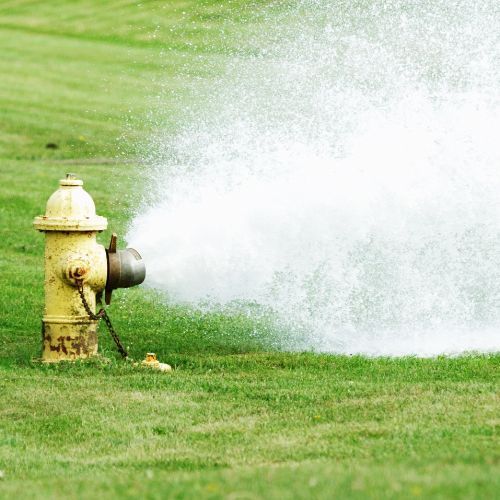
Understanding Premature Ejaculation: Causes, Treatment, and Support Premature ejaculation (PE) is one of the most common sexual concerns in males, yet it is rarely talked about openly. Many males experience it at some point in their lives, but when it happens regularly, it can cause frustration, affect confidence, and even put strain on intimate relationships. The good news? Premature ejaculation is very common and treatable. Let’s break down what it is, why it happens, and how it can be managed. What is premature ejaculation? Premature ejaculation is when ejaculation occurs sooner than you or your partner would like, often within a minute of penetration or even before penetration begins. For some males, it happens occasionally; for others, it’s a consistent pattern that impacts sexual satisfaction. It’s important to know that there is no “perfect time” that sex should last. PE is usually defined not just by timing, but by whether it causes distress or difficulty in sexual relationships. Why does premature ejaculation happen? There isn’t just one cause — PE can result from a combination of physical, psychological, and behavioural factors. Pelvic floor muscle involvement: Overactive or tense pelvic floor muscles can lead to reduced control and quicker ejaculation. Psychological factors: Anxiety, stress, performance pressure, or even relationship concerns can all play a role. Learned patterns: Rushing during sex or masturbation (for example, due to fear of being caught in adolescence) can become a habit that carries into adulthood. Medical factors: Hormonal changes, nerve sensitivity, or underlying health conditions may contribute. How can premature ejaculation be treated? Treatment usually combines physical and psychological strategies. Here are some of the most effective approaches: Pelvic floor physiotherapy Learning to identify, relax, and retrain pelvic floor muscles can improve control. Many males with PE actually have an overactive pelvic floor rather than a weak one. Breathing and body awareness Deep breathing and mindfulness techniques can reduce muscle tension and help manage arousal levels. Behavioural techniques Methods such as the “stop-start” technique or “squeeze” technique, when practiced with guidance, can gradually improve control. Psychological support Addressing anxiety, stress, or negative thought patterns around sex can make a big difference. Sometimes, working with a psychologist or sex therapist alongside physiotherapy provides the best outcomes. Medical options In some cases, doctors may suggest medication (such as topical numbing creams or certain oral medications) if conservative strategies aren’t enough on their own. Why seeing a professional helps Many males try to manage PE on their own but don’t see lasting improvement. A pelvic floor physiotherapist can assess muscle activity, teach you how to use (and relax) your pelvic floor effectively, and guide you through strategies tailored to your body and situation. If anxiety or relationship strain is part of the picture, working alongside a sexual health psychologist or counsellor can be very effective. Conclusion Premature ejaculation is common, treatable, and nothing to be ashamed of. If it’s causing frustration or stress in your life, know that help is available — and you don’t have to put up with it alone. Taking the first step to speak with a professional can make all the difference in regaining control, confidence, and satisfaction in your sexual health.
Our team