
Tampons Shouldn't Hurt. So Why Do They?
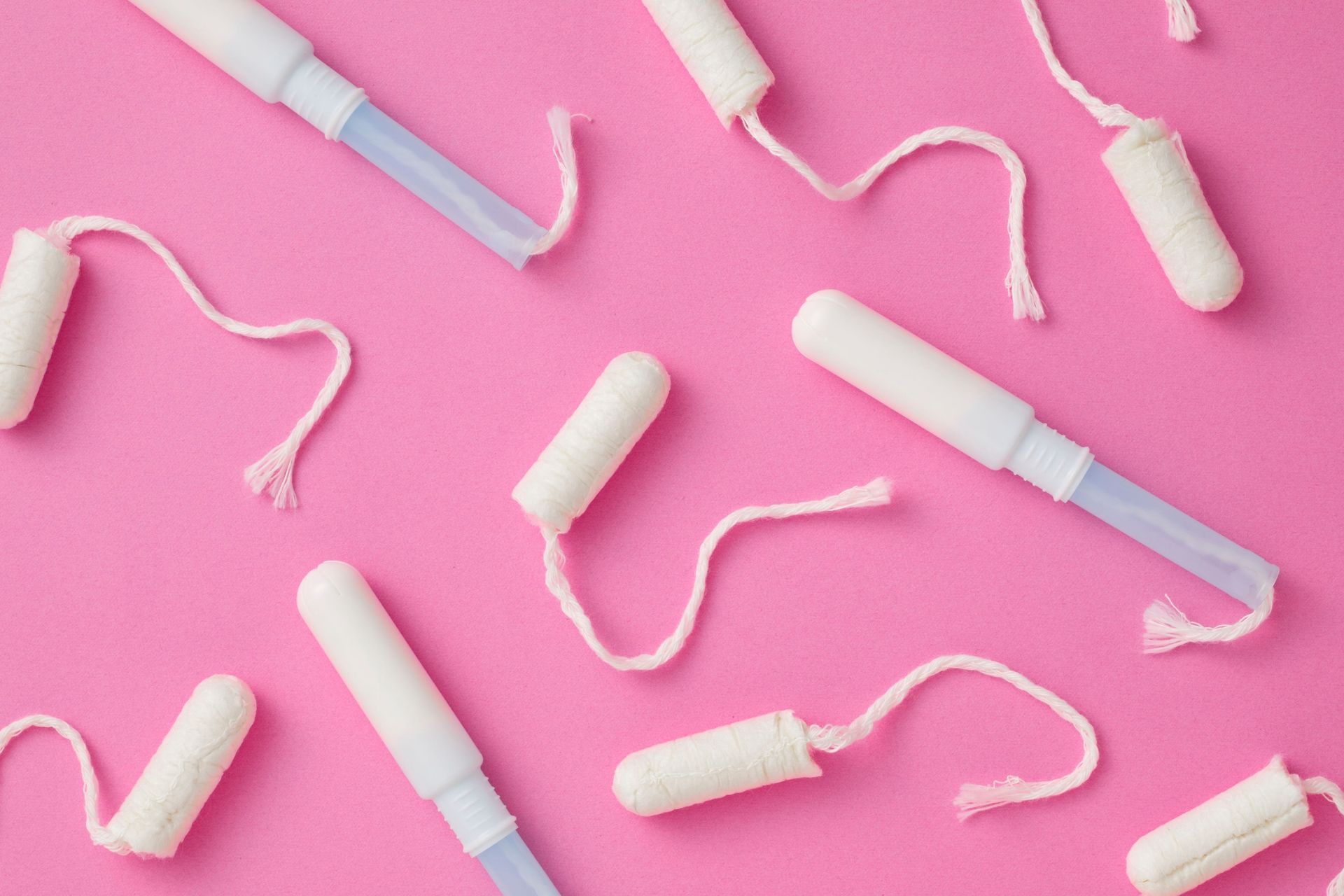
Putting in a tampon should not feel like you're fighting your own body.
Yet for many people, tampon insertion can cause:
- Pain or burning
- A feeling of tightness
- Resistance or a “wall”
- Difficulty inserting it at all
- Pain when removing it
- Discomfort that lingers afterwards
And often, the response is, “Just relax.” But if you've tried to relax and it still hurts, there's probably more to the story.
Why can tampons hurt?
There are many possible reasons. Painful tampon use can be associated with:
- Pelvic floor muscle tension
- Vaginal dryness
- Irritation or infection
- Skin or vulval conditions
- Hormonal changes
- Previous painful experiences
- Conditions affecting the vulva or vagina
Sometimes more than one factor is involved.
Could your pelvic floor be too tight?
It could be. Your pelvic floor muscles surround the vaginal opening and need to relax to allow comfortable insertion. If these muscles are overactive or you're unconsciously tightening them, inserting a tampon can feel painful, difficult or even impossible. This can happen even if you are otherwise healthy.
And importantly, a tight pelvic floor isn't necessarily something you can simply “relax” on command.
Pain can create a cycle
Imagine inserting a tampon hurts. The next time you try, you naturally expect it to hurt. Your body may respond by tightening the pelvic floor muscles before you've even realised it. Then insertion hurts again. Over time, this can create a cycle: Pain → fear or anticipation → muscle tightening → more pain.
Breaking this cycle often requires more than simply trying harder to relax.
Does painful tampon use mean something is wrong?
Not necessarily, but persistent pain deserves attention. If tampon use has always been painful, has suddenly become painful, or is becoming increasingly difficult, it's worth finding out why. A GP, gynaecologist or pelvic health physiotherapist can help identify potential contributors.
How can pelvic floor physiotherapy help?
A pelvic floor physiotherapist can assess whether your pelvic floor muscles are contributing to the pain. Depending on your symptoms and comfort level, treatment may include:
- Education about pelvic floor function
- Breathing and relaxation strategies
- Pelvic floor down-training
- Gentle manual therapy where appropriate
- Gradual desensitisation
- Advice around comfortable tampon insertion
- Strategies to reduce muscle guarding
An internal examination is not automatically required. Your physiotherapist should explain your options and work within your comfort and consent.
Don't force it
If inserting a tampon is painful, don't keep pushing through significant pain. Pain is useful information. And if you're experiencing significant pain, burning, unusual discharge, bleeding or other new symptoms, speak with your GP or gynaecologist to rule out medical causes.
Frequently Asked Questions
Why does inserting a tampon hurt?
Tampon insertion can hurt for many reasons, including pelvic floor muscle tension, vaginal dryness, irritation, infection, hormonal changes or vulval conditions. A healthcare professional can help identify the cause.
Can a tight pelvic floor make tampons difficult to insert?
Yes. If the pelvic floor muscles around the vaginal opening are overactive or unable to relax, insertion may feel painful, tight or blocked.
Can pelvic floor physiotherapy help with painful tampon insertion?
Yes. When pelvic floor muscle tension or poor relaxation is contributing to symptoms, pelvic health physiotherapy can help with relaxation, coordination and gradually reducing sensitivity and muscle guarding.
The Bottom Line
Tampon use shouldn't be something you have to grit your teeth through. If inserting a tampon is consistently painful, difficult or impossible, there may be a reason—and it's worth investigating. You don't need to simply “get used to it,” and you certainly don't need to push through pain.
If painful tampon use is affecting your periods, exercise, swimming or everyday life, a pelvic health physiotherapist can help you understand whether your pelvic floor is contributing and work with you towards more comfortable, confident movement.
More from the blog