


What is normal bowel health?
Did you know that healthy bowel habits can be emptying your bowels anywhere from 1-3 times per day to three times per week?
As well as regular and consistent bowel motions, a healthy bowel routine includes not needing to strain, feeling satisfied that you have emptied and being on and off the toilet within five minutes.
Signs and Symptoms
- Sudden and or prolonged changes in normal bowel routine i.e. you usually go every morning but now only go 1-2 times per week
- Needing to strain to initiate or continue a poo
- Feeling unsatisfied or like there is still more to come out
- Pain around the anus
- Soiling or having poo accidents
- Getting a sudden urge to do a poo and needing to race to the toilet
Common causes of bowel problems:
- Ineffective pooing positions and pushing technique
- Chronic constipation
- Overactive and tight pelvic floor muscles
- Poor diet/not enough fluid intake
- Irritable bowel syndrome (IBS) or other bowel conditions such as Chron's and Colitis
- Hormonal changes
How we can help?
Physiotherapy for bowel concerns?
Our trained physiotherapists can assist with:
- Addressing any factors that may be influencing your bowel problem
- Bowel training and setting a schedule
- Teaching you proper positioning and pushing techniques
- Pelvic Floor Exercises to strengthen or lengthen your pelvic floor muscles depending on your need
- Urge delay techniques
- Education and advice on healthy bowel habits
Related Blogs
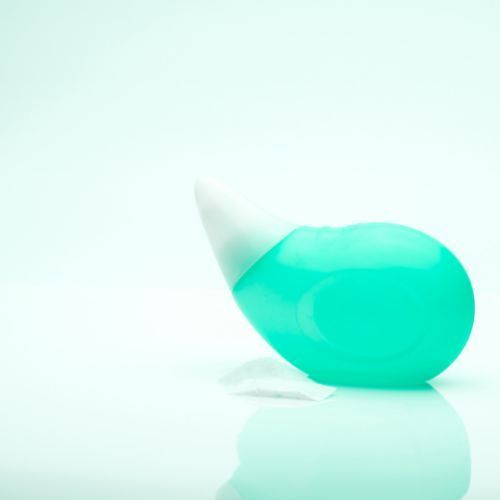
If you've ever wondered whether you need to douche before anal sex, you're certainly not alone. For some people, rectal douching can help them feel cleaner, more comfortable and more confident before intimacy. But there's one important thing that's often misunderstood : Douching doesn't protect you from HIV or STIs. In fact, frequent or forceful douching can irritate the delicate lining of the rectum and potentially increase the risk of infection. So, if you choose to douche, what do you actually need to know? What exactly is rectal douching? Rectal douching involves putting water or another fluid into the rectum and then releasing it, usually to clear stool from the lower part of the bowel. People may choose to douche before anal sex because it can help them feel more comfortable or confident. And that's a perfectly valid personal choice. The important thing is understanding tha t douching is about comfort and preparation — not protection from infection. Does douching reduce the risk of HIV or STIs? No. One of the biggest myths about rectal douching is that it "washes away" bacteria or viruses and therefore makes sex safer. Unfortunately, that's not how it works. The lining of the rectum is delicate. Douching can cause irritation and, particularly when it's frequent or forceful, may cause small areas of damage to the tissue. This can potentially make it easier for infections to enter the body. So while you may feel cleaner afterwards, you aren't necessarily safer. Why can douching increase risk? Think about the inside of your rectum like a delicate lining that you don't want to scrub or strip. Douching can: · Irritate the rectal lining · Cause small tears or inflammation · Disrupt the natural environment of the rectum · Potentially make the tissue more vulnerable to infection The risk may be greater when douching involve s high pressure, larger volumes or repeated flushing. And this is where the idea of "more cleaning = better" can actually backfire. Your rectum doesn't need to be spotless. But isn't douching helpful for some people? It can be. Some people choose to douche because it helps them: · Feel more confident · Feel more comfortable during intimacy · Reduce anxiety about mess · Feel prepared and in control These are real benefits for the person choosing to douche. The key is simply understanding what douching can and can't do. It may help you feel more comfortable. It does not prevent HIV or STIs. Is there a "right" way to douche? There's no universally agreed safe volume or frequency for rectal douching. However, it is recommended to use bulb douching systems of up to 300 ml ideally no more than 2 flushes as gentle squeeze pressure. Keep the pressure low. Avoid forceful flushing or high-pressure systems. The rectal lining is delicate, and unnecessary pressure can cause irritation or injury. Never use household cleaning products such as: · Soap · Detergent · Bleach · Vinegar · Lemon juice These can irritate or chemically damage the rectal lining. Don't keep flushing. You don't need to keep douching until the water runs perfectly clear. Repeated flushing can increase irritation without necessarily giving you any additional benefit. Aim for gentle and minimal rather than repeated and forceful. What about using lubricant? Lubricant is an important part of safer and more comfortable anal sex. But not all lubricants are the same. Some products can be more irritating to sensitive tissue, particularly highly concentrated or hyperosmolar lubricants . Silicone-based lubricants can be a good option for anal sex because they provide long-lasting lubrication and don't dry out as quickly. The most important thing is choosing a product that's designed for the type of sexual activity you're having and using plenty of it. When should you avoid douching? It's best to avoid douching if you're already experiencing: · Anal or rectal pain · Rectal bleeding · An anal fissure · Painful haemorrhoids · Significant irritation or sores If something is already irritated, flushing it isn't likely to help. If you're experiencing ongoing pain, bleeding or other symptoms, it's worth getting assessed rather than trying to manage the problem yourself. What actually reduces the risk of HIV and STIs? This is the really important part. Douching isn't a safer-sex strategy. Depending on your circumstances, strategies that can actually reduce your risk include: Condoms - Condoms can reduce the risk of HIV and many other STIs when used correctly. PrEP - PrEP, or pre-exposure prophylaxis, is highly effective at preventing HIV when taken as prescribed. If you're at risk of HIV, talk to your GP or sexual health service about whether PrEP is right for you. Regular STI testing - Regular sexual health checks are important, particularly if you have new or multiple partners. Communication - Talking openly with your partner about sexual health, testing, condoms and PrEP can help you make informed decisions about your sexual health. What about microbicide enemas? You may have heard about research into rectal microbicides, including products containing tenofovir. This is an interesting area of research, but these products are not currently an established replacement for proven HIV prevention strategies such as PrEP and condoms. Frequently Asked Questions Does rectal douching prevent HIV? No. Douching does not prevent HIV and may potentially increase vulnerability to infection by irritating or damaging the rectal lining. Does douching prevent STIs? No. Douching doesn't protect against STIs. In fact, irritation or damage to the rectal lining may potentially increase the risk of infection. How often should I douche? There's no established "safe" frequency. As a general harm-reduction approach, less frequent and gentler is better than repeated, forceful douching. Can I use soap or other cleaning products? No. Soap, detergents, bleach, vinegar, lemon juice and other household products can irritate or damage the delicate rectal lining. Stick with plain, lukewarm water if you choose to douche. Do I need to douche before anal sex? Not necessarily. Whether you douche is a personal choice. Some people find it helps them feel more comfortable or confident, while others don't feel the need to do it at all. You don't have to douche to have enjoyable anal sex. The Bottom Line Douching is about comfort — not protection. If you choose to douche, keeping it gentle, simple and infrequent can help minimise irritation to the delicate rectal tissue. But don't rely on douching to protect you from HIV or STIs. Condoms, PrEP and regular STI testing are far more important when it comes to safer sex. And remember: your body doesn't need to be perfectly clean to enjoy sex. If you're experiencing pain, bleeding, irritation or ongoing anal or rectal symptoms, a pelvic health physiotherapist or healthcare professional can help you work out what's going on.
Hormone therapy can bring many positive changes, but it can also influence how your body feels and functions, including your pelvic health. Changes to bladder, bowel, sexual health and pelvic pain can occur as your body adapts to different hormone levels. For people taking testosterone, lower oestrogen levels can affect the tissues of the vagina and vulva, sometimes causing dryness, irritation, discomfort with penetration or changes in bladder function. Some people may also experience increased pelvic floor muscle tension, which can contribute to pelvic pain, bowel or bladder concerns, or discomfort during intimacy. For people taking oestrogen, changes in sexual function can occur as the body adjusts to treatment. This may include changes in libido, arousal, erections or ejaculation. After gender affirming surgery, pelvic health physiotherapy can also support recovery by helping with pelvic floor function, bladder and bowel health, scar management and vaginal dilation where appropriate. These changes do not happen to everyone, but if something feels different, uncomfortable or is affecting your daily life, it is worth paying attention to. Pelvic health physiotherapy can help you understand what may be contributing to your symptoms and provide practical strategies to improve comfort and function. Your body is constantly changing, and hormone therapy is one part of that picture. Understanding those changes can help you feel more informed and confident in looking after your pelvic health.

Pelvic Health Is for Everyone Pelvic health is often talked about as a women’s issue, but in reality it affects people of all genders across every stage of life. The pelvic floor is a group of muscles and connective tissues that support the bladder, bowel, and reproductive organs. These muscles also play a role in sexual function and everyday movements like lifting, bending, coughing, or laughing. Because they are involved in so many aspects of daily life, looking after pelvic health is important for everyone. Pelvic health concerns can show up in many different ways. Some people experience bladder leakage, urgency, constipation, or changes in bowel habits. Others may experience pelvic girdle pain, including discomfort around the sacroiliac joints, pubic symphysis, or coccyx (tailbone). Pelvic pain can also occur in the lower abdomen or in the genitals and may affect comfort with sitting, exercise, or sexual activity. These symptoms can affect people of any gender, yet they are often not openly discussed. Pelvic floor challenges can appear at different stages of life. Children may experience constipation, bedwetting, or daytime bladder accidents. Adolescents and adults may notice pelvic pain, bladder urgency, or bowel changes. Men may experience pelvic pain or bladder symptoms, including leakage, particularly after prostate surgery. Older adults may notice changes in bladder or bowel control or pelvic comfort as the body changes with age. While these experiences are common, many people are surprised to learn that help is available. Hormones also play an important role in pelvic health for people of all genders. Changes in hormone levels; during puberty, pregnancy, menopause, or as part of gender-affirming hormone therapy, can influence tissue health, bladder control, sexual function, and comfort in the pelvic region. Understanding these changes and supporting the body with the right care can make a meaningful difference. Pelvic health physiotherapy offers practical support, education, and treatment for many of these concerns. Physiotherapists can help people better understand their pelvic floor, improve bladder and bowel habits, manage pelvic girdle or pelvic pain, and support comfortable movement in daily life. Often, small changes can make a big difference to daily comfort and confidence. Pelvic health isn’t limited to one gender or one stage of life. By talking about it more openly and recognising the many ways it can affect the body, we can make it easier for everyone to seek support and care for their pelvic health.

Supporting Transmasculine and Transfeminine Clients Through Bottom Surgery: The Role of Physiotherapy Bottom surgery is a powerful and deeply affirming step for many both transmasculine and transfeminine individuals. Whether someone is preparing for vaginoplasty, vulvoplasty or phalloplasty, the journey is not just surgical—it’s physical, emotional, and functional. Physiotherapy can play a key role in optimising outcomes and supporting a safe, confident return to daily life. At our clinic, we work closely with clients before and after gender-affirming surgeries to ensure their pelvic and overall health is considered throughout their surgical journey. Pre-Surgery Preparation: Laying the Foundation Before surgery, our physiotherapy sessions focus on building a strong foundation. This includes: Understanding Your Body’s Baseline We begin by gaining a thorough understanding of your current: Bladder and bowel function – Are there any concerns with urgency, leakage, constipation, or straining? Pelvic floor tone and coordination – We assess whether your muscles are overactive, weak, or uncoordinated, which can impact recovery. Intimate or sexual function – If relevant and comfortable for the client, we explore areas of sensitivity, pain, or tension that may influence post-op outcomes. These baseline assessments guide us in creating a tailored prehabilitation program that optimises your function and supports a smoother recovery. Optimising Pelvic Health Pelvic health plays a crucial role in: Managing urination and bowel habits post-surgery Supporting circulation and tissue healing Reducing pelvic pain or tightness Preparing muscles for dilation (if applicable) We also look at core strength, breathing, posture , and general mobility —especially important for improving blood flow, wound healing, and reducing post-op complications. Post-Surgery Recovery: Gentle, Guided Support After surgery, our work shifts to supporting your healing and helping you return to your life with comfort and confidence. Wound Care & Scar Management We guide you through: Gentle scar tissue mobilisations (when appropriate) Promoting circulation to reduce swelling Supporting healing around graft or donor sites (e.g., arm, thigh) Dilation & Tissue Care For clients undergoing phalloplasty or metoidioplasty involving a urethral lengthening or neo-vaginal closure, pelvic physiotherapy may include: Education around dilation (where applicable) Pain management strategies Breathwork and relaxation techniques to reduce muscle tension Returning to Life and Movement We support: Safe return to walking, lifting, cycling, gym or sports Managing fatigue and pacing during recovery Addressing any bladder, bowel or sexual function changes We also hold space for the emotional aspects of recovery. This is a major life transition, and our approach is compassionate, gender-affirming, and always client-led. We Are With You All the Way Our goal is to make your body feel more like home. Whether you're months away from surgery or already on the other side, we’re here to walk beside you with skilled hands, open minds, and affirming care. If you’re considering bottom surgery or in the recovery phase, get in touch to see how pelvic physiotherapy can support your goals and wellbeing.
Our team




More Information
Find out more about Bowel Health