

Can Constipation Cause Pelvic Pain? (Yes, Here's Why)
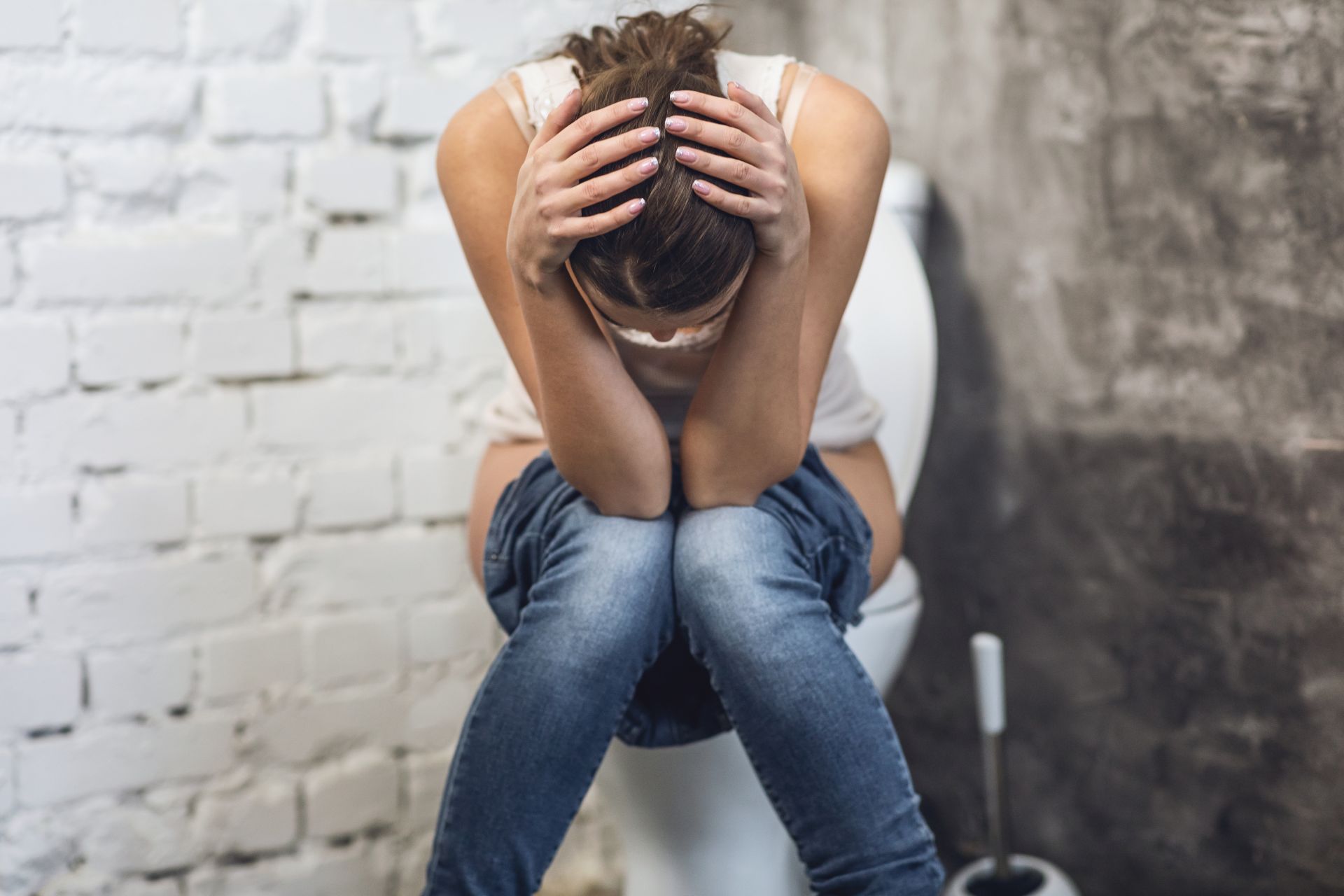
When most people think about constipation, they picture bloating, hard stools or not being able to go to the toilet. But what many people don't realise is that constipation can also contribute to pelvic pain. If you've been experiencing aching in your pelvis, pain around your tailbone, discomfort with sitting, bladder urgency or even pain during sex, your bowel could be playing a much bigger role than you think.
The good news? Once constipation is identified and treated, many people notice improvements not only in their bowel habits but in other pelvic symptoms as well.
Can constipation really cause pelvic pain?
Yes. Constipation can contribute to pelvic pain in several ways. When stool remains in the bowel for too long, it becomes larger, drier and more difficult to pass. This can place extra pressure on the muscles, nerves and organs within the pelvis.
Over time, repeated straining or difficulty emptying the bowels may also affect how your pelvic floor muscles function. The result? Pain, tension and symptoms that extend well beyond the bowel itself.
How are the bowel and pelvic floor connected?
Your pelvic floor muscles form a supportive sling at the base of your pelvis.
These muscles help control:
- bowel movements
- bladder function
- support for your pelvic organs
- sexual function
- pressure within your abdomen.
When it's time to have a bowel motion, your pelvic floor should relax and lengthen to allow stool to pass comfortably. If these muscles remain tight or don't coordinate well, emptying can become more difficult.
In some people, constipation leads to increased pelvic floor tension. In others, an overactive pelvic floor contributes to constipation in the first place. Often, it's a combination of both.
Signs your constipation may be contributing to pelvic pain
Everyone experiences constipation differently.
In addition to infrequent bowel motions, you might notice:
- aching or heaviness in the pelvis
- pain around the tailbone
- lower abdominal discomfort
- pain with prolonged sitting
- bladder urgency or frequency
- pain during or after bowel motions
- discomfort during sex
- a feeling that you can't completely empty your bowels.
These symptoms don't automatically mean constipation is the cause, but they're clues that your bowel and pelvic floor deserve a closer look.
The hidden role of straining
Many people think straining is simply part of being constipated. It isn't. Repeatedly straining to empty your bowels places extra pressure on your pelvic floor and surrounding tissues.
Over time, this may contribute to:
- pelvic pain
- haemorrhoids
- anal fissures
- pelvic organ prolapse
- bladder symptoms
- increased pelvic floor muscle tension.
Learning to empty your bowels without excessive straining is an important part of pelvic health.
Could your pelvic floor be making constipation worse?
Yes. Some people have a pelvic floor that doesn't relax properly during a bowel motion. Instead of opening and lengthening, the muscles tighten or contract, making it difficult for stool to pass.
This is sometimes referred to as dyssynergic defecation or pelvic floor dyssynergia, and it can lead to:
- prolonged time on the toilet
- excessive straining
- incomplete emptying
- repeated constipation despite eating enough fibre and drinking plenty of water.
This is one reason why constipation doesn't always improve with diet alone.
It's not always about eating more fibre
Increasing fibre is often helpful—but it's not the answer for everyone. If your pelvic floor muscles aren't coordinating properly, adding more fibre without addressing the underlying issue may leave you feeling even more bloated or uncomfortable. That's why it's important to understand why you're constipated rather than simply treating the symptom.
How can a pelvic floor physiotherapist help?
Pelvic floor physiotherapists regularly assess and treat constipation that's related to pelvic floor dysfunction.
Your assessment may include:
- bowel habits
- toileting posture
- pelvic floor muscle function
- muscle relaxation and coordination
- breathing patterns
- abdominal muscle function
- lifestyle factors.
Treatment may involve:
- education about healthy bowel habits
- improving toileting posture
- breathing techniques to reduce straining
- pelvic floor relaxation training
- strategies to improve bowel emptying
- exercises to restore muscle coordination.
If needed, your physiotherapist may also work alongside your GP, gastroenterologist or colorectal specialist to ensure all contributing factors are addressed.
When should you seek help?
It's worth seeing a healthcare professional if you:
- have constipation lasting more than a few weeks
- regularly strain to pass bowel motions
- feel like you can't empty completely
- experience pelvic pain alongside constipation
- notice blood in your stool (this should always be medically assessed)
- develop new or unexplained bowel symptoms.
Early assessment can help prevent constipation from becoming a long-term cycle.
Frequently Asked Questions
Can constipation cause pelvic pain?
Yes. Constipation can increase pressure within the pelvis, contribute to pelvic floor muscle tension and lead to pain around the pelvis, tailbone or lower abdomen. However, pelvic pain has many possible causes, so an assessment is important to identify what's contributing to your symptoms.
Can constipation make bladder symptoms worse?
It can. A full bowel may place additional pressure on the bladder, and constipation is associated with symptoms such as urinary urgency, frequency and bladder leakage in some people.
Can pelvic floor physiotherapy help constipation?
Yes. If pelvic floor dysfunction or poor muscle coordination is contributing to constipation, pelvic floor physiotherapy may help improve bowel emptying, reduce straining and relieve associated symptoms. Treatment is tailored to the individual and often forms part of a broader management plan.
The Bottom Line
Constipation is about more than how often you go to the toilet. For many people, it can contribute to pelvic pain, bladder symptoms and ongoing pelvic floor dysfunction that affects everyday life. If you've been treating constipation without success—or you're living with pelvic pain and haven't considered your bowel—it's worth looking at the bigger picture.
You don't have to live with constipation or pelvic pain. Our pelvic health physiotherapists can assess how your bowel and pelvic floor are working together and develop a personalised treatment plan to help you move, sit and go to the toilet more comfortably.
More from the blog