
Rectal Douching: What You Need To Know
If you've ever wondered whether you need to douche before anal sex, you're certainly not alone.
For some people, rectal douching can help them feel cleaner, more comfortable and more confident before intimacy.
But there's one important thing that's often misunderstood: Douching doesn't protect you from HIV or STIs.
In fact, frequent or forceful douching can irritate the delicate lining of the rectum and potentially increase the risk of infection. So, if you choose to douche, what do you actually need to know?
What exactly is rectal douching?
Rectal douching involves putting water or another fluid into the rectum and then releasing it, usually to clear stool from the lower part of the bowel. People may choose to douche before anal sex because it can help them feel more comfortable or confident. And that's a perfectly valid personal choice.
The important thing is understanding that douching is about comfort and preparation — not protection from infection.
Does douching reduce the risk of HIV or STIs?
No. One of the biggest myths about rectal douching is that it "washes away" bacteria or viruses and therefore makes sex safer. Unfortunately, that's not how it works. The lining of the rectum is delicate. Douching can cause irritation and, particularly when it's frequent or forceful, may cause small areas of damage to the tissue. This can potentially make it easier for infections to enter the body. So while you may feel cleaner afterwards, you aren't necessarily safer.
Why can douching increase risk?
Think about the inside of your rectum like a delicate lining that you don't want to scrub or strip.
Douching can:
· Irritate the rectal lining
· Cause small tears or inflammation
· Disrupt the natural environment of the rectum
· Potentially make the tissue more vulnerable to infection
The risk may be greater when douching involves high pressure, larger volumes or repeated flushing. And this is where the idea of "more cleaning = better" can actually backfire. Your rectum doesn't need to be spotless.
But isn't douching helpful for some people?
It can be. Some people choose to douche because it helps them:
· Feel more confident
· Feel more comfortable during intimacy
· Reduce anxiety about mess
· Feel prepared and in control
These are real benefits for the person choosing to douche. The key is simply understanding what douching can and can't do. It may help you feel more comfortable. It does not prevent HIV or STIs.
Is there a "right" way to douche?
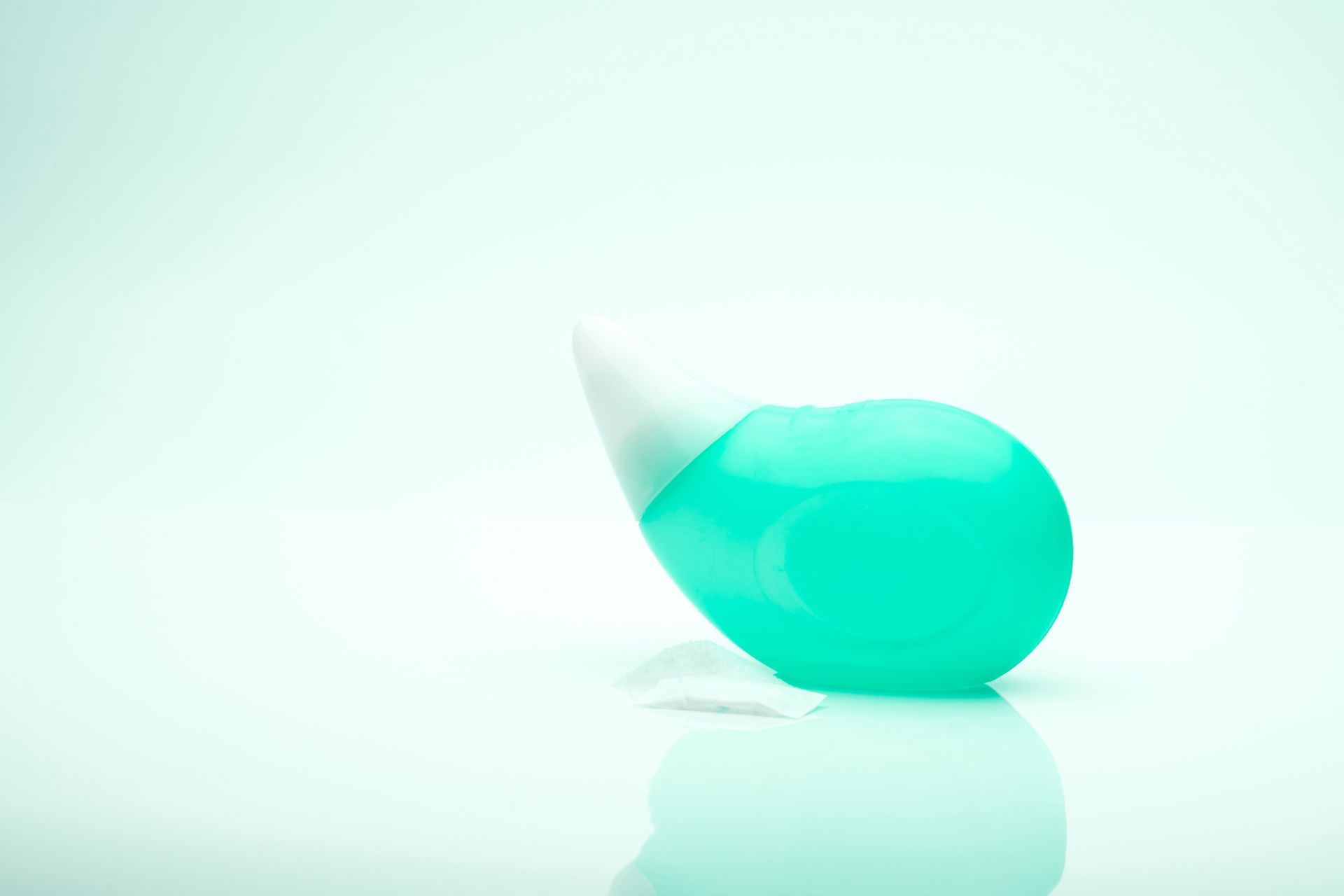
There's no universally agreed safe volume or frequency for rectal douching. However, it is recommended to use bulb douching systems of up to 300 ml ideally no more than 2 flushes as gentle squeeze pressure.
Keep the pressure low.
Avoid forceful flushing or high-pressure systems. The rectal lining is delicate, and unnecessary pressure can cause irritation or injury.
Never use household cleaning products such as:
· Soap
· Detergent
· Bleach
· Vinegar
· Lemon juice
These can irritate or chemically damage the rectal lining.
Don't keep flushing. You don't need to keep douching until the water runs perfectly clear. Repeated flushing can increase irritation without necessarily giving you any additional benefit. Aim for gentle and minimal rather than repeated and forceful.
What about using lubricant?
Lubricant is an important part of safer and more comfortable anal sex. But not all lubricants are the same. Some products can be more irritating to sensitive tissue, particularly highly concentrated or hyperosmolar lubricants. Silicone-based lubricants can be a good option for anal sex because they provide long-lasting lubrication and don't dry out as quickly. The most important thing is choosing a product that's designed for the type of sexual activity you're having and using plenty of it.
When should you avoid douching?
It's best to avoid douching if you're already experiencing:
· Anal or rectal pain
· Rectal bleeding
· An anal fissure
· Painful haemorrhoids
· Significant irritation or sores
If something is already irritated, flushing it isn't likely to help. If you're experiencing ongoing pain, bleeding or other symptoms, it's worth getting assessed rather than trying to manage the problem yourself.
What actually reduces the risk of HIV and STIs?
This is the really important part.
Douching isn't a safer-sex strategy.
Depending on your circumstances, strategies that can actually reduce your risk include:
Condoms -
Condoms can reduce the risk of HIV and many other STIs when used correctly.
PrEP -
PrEP, or pre-exposure prophylaxis, is highly effective at preventing HIV when taken as prescribed. If you're at risk of HIV, talk to your GP or sexual health service about whether PrEP is right for you.
Regular STI testing -
Regular sexual health checks are important, particularly if you have new or multiple partners.
Communication - Talking openly with your partner about sexual health, testing, condoms and PrEP can help you make informed decisions about your sexual health.
What about microbicide enemas?
You may have heard about research into rectal microbicides, including products containing tenofovir. This is an interesting area of research, but these products are not currently an established replacement for proven HIV prevention strategies such as PrEP and condoms.
Frequently Asked Questions
Does rectal douching prevent HIV?
No. Douching does not prevent HIV and may potentially increase vulnerability to infection by irritating or damaging the rectal lining.
Does douching prevent STIs?
No. Douching doesn't protect against STIs. In fact, irritation or damage to the rectal lining may potentially increase the risk of infection.
How often should I douche?
There's no established "safe" frequency. As a general harm-reduction approach,
less frequent and gentler is better
than repeated, forceful douching.
Can I use soap or other cleaning products?
No.
Soap, detergents, bleach, vinegar, lemon juice and other household products can irritate or damage the delicate rectal lining. Stick with plain, lukewarm water if you choose to douche.
Do I need to douche before anal sex?
Not necessarily. Whether you douche is a personal choice. Some people find it helps them feel more comfortable or confident, while others don't feel the need to do it at all. You don't have to douche to have enjoyable anal sex.
The Bottom Line
Douching is about comfort — not protection. If you choose to douche, keeping it gentle, simple and infrequent can help minimise irritation to the delicate rectal tissue. But don't rely on douching to protect you from HIV or STIs. Condoms, PrEP and regular STI testing are far more important when it comes to safer sex.
And remember: your body doesn't need to be perfectly clean to enjoy sex.
If you're experiencing pain, bleeding, irritation or ongoing anal or rectal symptoms, a pelvic health physiotherapist or healthcare professional can help you work out what's going on.
More from the blog