
H is for . . . The ABC's of Pelvic Health

November 27, 2023

Hysterectomy, hormones and hemorrhoids all start with the letter H and are all related to pelvic health.  How can we help?

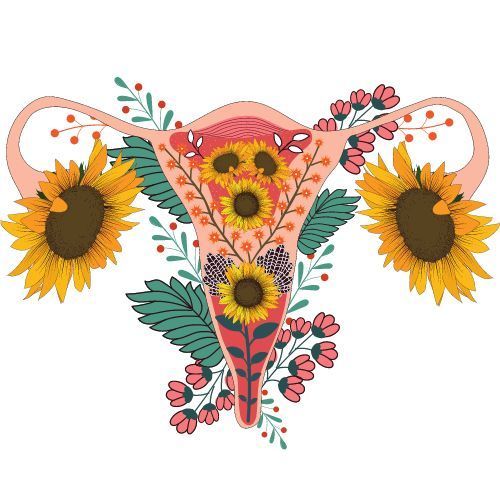
Hysterectomy


A hysterectomy is a surgical procedure that involves the removal of a patient's uterus.


The procedure my also involve the removal of the cervix, ovaries and fallopian tubes depending on the reason for the surgery and the patient's individual circumstances.


Hysterectomy is one of the most common surgical procedures performed, and it can be done using a variety of techniques.


Pelvic health physiotherapy can assist in the recovery and rehabilitation after a hysterectomy.


Hormones


Hormones are chemical messengers produced by glands that are released into the bloodstream and travel to different parts of the body to regulate various physiological functions.


These functions can include growth and development, metabolism, reproduction and responce to stress, among others.


Hemorrhoids


Hemorrhoids, also known as piles, are swollen veins in the lower rectum and anus.


They can be internal or external and can cause discomfort, pain, itching and bleeding during bowel movements.


Hemorrhoids are a common condition.

If you’re experiencing any of the above, please know you’re not alone.


We’re here to help!


More from the blog
By Kylie Conway December 3, 2025
Understanding Lichen Sclerosis: What You Need to Know Lichen Sclerosis (LS) is a condition we see more often than people realise — yet many individuals go years without the right diagnosis. At Pelvic Health Melbourne, our goal is to make conversations about vulval, penile and anal health easy, accessible and stigma-free. Here’s a clear guide to what LS is, how it’s treated, and how pelvic health physiotherapy can support you. What Is Lichen Sclerosis (LS)? Lichen Sclerosis is a long-term inflammatory skin condition that typically affects the vulva, penis, or the skin around the anus. A few key facts: It’s not contagious. You can’t pass LS on to a partner. It may have a genetic or autoimmune link. People with other autoimmune conditions can be more prone to developing it. It’s more commonly diagnosed in people in their 40s and 50s, though it can occur at any age. Common Signs and Symptoms LS can look and feel different for everyone, but some of the most common symptoms include: Itching, burning or general soreness around the vulva, penis, or anus Skin changes, such as pale or white patches, areas that appear thickened or “crinkled,” or skin that becomes thin and fragile over time Dryness and loss of natural skin oils, leading to cracks, fissures, bruising or even blisters Possible scarring or narrowing of the vaginal or anal openings in long-standing vulval or anal LS In penile LS, symptoms often affect the foreskin and glans (head of penis) If any of these symptoms sound familiar — especially if they’ve been going on for a while — it’s worth discussing LS with your GP or pelvic health clinician. Typical Management & Treatment in Australia The good news: with early diagnosis and treatment, LS can be well managed and long-term complications can be reduced. Common treatments include: Topical steroid ointments or creams to reduce inflammation Topical oestrogen if thinning or hormone-related changes are present (for vulval LS) Gentle skin care routines to restore moisture and protect fragile skin Silicone-based lubricants for comfortable intimacy Vaginal dilators or vibrators to help maintain stretch and comfort if the vaginal entrance has narrowed Your GP or dermatologist will oversee the medical management — but pelvic health physio plays a big role too. How Pelvic Health Physio Can Help Our clinicians at Pelvic Health Melbourne are experienced in recognising LS and supporting you through the often-overlooked side effects of the condition. We can help with: Identifying symptoms early and guiding you to your GP for diagnosis and treatment Addressing secondary pain, such as burning or discomfort caused by pelvic floor overactivity Managing scarring or narrowing at the vaginal entrance using dilators, moisturises and tailored lubrication advice Supporting intimacy goals, helping reduce muscle tightness and improve comfort during sexual activity Easing nerve-related pelvic pain, which can develop from chronic irritation or inflammation Managing LS isn’t just about treating the skin — it’s about restoring comfort, confidence and quality of life. Why Awareness Matters LS is not extremely common, and some practitioners may only encounter it rarely. This means it can sometimes be overlooked or mistaken for recurrent thrush, eczema or dermatitis. Knowing the signs — and knowing to ask the question — can make a big difference. Early treatment helps: Control inflammation Prevent or reduce scarring Maintain skin health Improve long-term comfort and function If you suspect LS, trust your instincts and seek support. You're not alone — and there are effective treatments available. If you’d like guidance, reassurance, or help managing symptoms, our pelvic health physiotherapy team is here to support you every step of the way.
By Kylie Conway November 12, 2025
Understanding Premature Ejaculation: Causes, Treatment, and Support Premature ejaculation (PE) is one of the most common sexual concerns in males, yet it is rarely talked about openly. Many males experience it at some point in their lives, but when it happens regularly, it can cause frustration, affect confidence, and even put strain on intimate relationships. The good news? Premature ejaculation is very common and treatable. Let’s break down what it is, why it happens, and how it can be managed. What is premature ejaculation? Premature ejaculation is when ejaculation occurs sooner than you or your partner would like, often within a minute of penetration or even before penetration begins. For some males, it happens occasionally; for others, it’s a consistent pattern that impacts sexual satisfaction. It’s important to know that there is no “perfect time” that sex should last. PE is usually defined not just by timing, but by whether it causes distress or difficulty in sexual relationships. Why does premature ejaculation happen? There isn’t just one cause — PE can result from a combination of physical, psychological, and behavioural factors. Pelvic floor muscle involvement: Overactive or tense pelvic floor muscles can lead to reduced control and quicker ejaculation. Psychological factors: Anxiety, stress, performance pressure, or even relationship concerns can all play a role. Learned patterns: Rushing during sex or masturbation (for example, due to fear of being caught in adolescence) can become a habit that carries into adulthood. Medical factors: Hormonal changes, nerve sensitivity, or underlying health conditions may contribute. How can premature ejaculation be treated? Treatment usually combines physical and psychological strategies. Here are some of the most effective approaches: Pelvic floor physiotherapy Learning to identify, relax, and retrain pelvic floor muscles can improve control. Many males with PE actually have an overactive pelvic floor rather than a weak one. Breathing and body awareness Deep breathing and mindfulness techniques can reduce muscle tension and help manage arousal levels. Behavioural techniques Methods such as the “stop-start” technique or “squeeze” technique, when practiced with guidance, can gradually improve control. Psychological support Addressing anxiety, stress, or negative thought patterns around sex can make a big difference. Sometimes, working with a psychologist or sex therapist alongside physiotherapy provides the best outcomes. Medical options In some cases, doctors may suggest medication (such as topical numbing creams or certain oral medications) if conservative strategies aren’t enough on their own. Why seeing a professional helps Many males try to manage PE on their own but don’t see lasting improvement. A pelvic floor physiotherapist can assess muscle activity, teach you how to use (and relax) your pelvic floor effectively, and guide you through strategies tailored to your body and situation. If anxiety or relationship strain is part of the picture, working alongside a sexual health psychologist or counsellor can be very effective. Conclusion Premature ejaculation is common, treatable, and nothing to be ashamed of. If it’s causing frustration or stress in your life, know that help is available — and you don’t have to put up with it alone. Taking the first step to speak with a professional can make all the difference in regaining control, confidence, and satisfaction in your sexual health.
By Kylie Conway November 5, 2025
Understanding Prostatitis: What You Need to Know Prostatitis is a common condition that affects the prostate gland, a small walnut-sized organ found in males just below the bladder. It can cause a range of uncomfortable symptoms, including pain, urinary issues, and sexual discomfort. While it can be distressing, it’s important to know that prostatitis is treatable and does not mean you have prostate cancer. What Is Prostatitis? Prostatitis refers to inflammation or irritation of the prostate gland. It is the most frequently diagnosed urological problem in males under 50 and can affect males of all ages. According to the Royal Australian College of General Practitioners (RACGP), up to 15% of Australian males will experience symptoms of prostatitis at some point in their lives. Despite its prevalence, many males feel unsure about what it means and how it’s managed. Types of Prostatitis Acute Bacterial Prostatitis (ABP) ABP is a sudden and severe infection of the prostate caused by bacteria, most commonly Escherichia coli. Symptoms include fever, chills, dysuria, pelvic pain, urinary retention, and systemic illness. It is considered a medical emergency requiring prompt diagnosis and treatment with intravenous or oral antibiotics. Hospitalization may be necessary in severe cases. Chronic Bacterial Prostatitis (CBP) CBP involves recurrent bacterial infections of the prostate with similar but less intense symptoms than ABP. Patients may experience intermittent urinary tract infections, pelvic discomfort, and post-ejaculatory pain. Diagnosis is confirmed through culture of expressed prostatic secretions or post-prostatic massage urine samples. Treatment typically involves prolonged antibiotic therapy for four to six weeks, guided by culture and sensitivity results. Chronic Prostatitis/Chronic Pelvic Pain Syndrome (CP/CPPS) CP/CPPS is the most prevalent form of prostatitis, accounting for over 90% of cases. It is characterized by pelvic pain lasting more than three months in the absence of detectable bacterial infection. Symptoms include pain in the perineum, suprapubic region, testicles or lower back, urinary frequency, urgency, dysuria, and painful ejaculation. The condition is multifactorial, with contributing elements such as pelvic floor muscle dysfunction, neurogenic inflammation, and psychosocial factors. Management is multidisciplinary and includes pelvic floor physiotherapy, pharmacological agents, and lifestyle modifications. Asymptomatic Inflammatory Prostatitis This form is diagnosed incidentally during evaluation for other conditions, such as infertility or prostate cancer screening. It is defined by the presence of inflammatory cells in prostate tissue or fluid without associated symptoms. No treatment is required as it does not impact health outcomes. Clinical Presentation Common symptoms across prostatitis subtypes include pelvic or perineal pain, urinary urgency and frequency, incomplete bladder emptying, and discomfort during or after ejaculation. In ABP and CBP, symptoms may be accompanied by signs of infection. In CP/CPPS, pain is the dominant feature and may be exacerbated by stress, prolonged sitting, or certain dietary factors. Role of Pelvic Floor Physiotherapy Pelvic floor physiotherapy is a cornerstone of treatment for CP/CPPS. Evidence supports the use of manual therapy, myofascial release, biofeedback, and pelvic floor muscle relaxation techniques to reduce muscle hypertonicity and alleviate pain. Patients are taught diaphragmatic breathing, stretching exercises, and behavioral strategies to manage flare-ups. Comprehensive Management Approach Treatment is tailored to the specific type of prostatitis. For ABP and CBP, antibiotics are the primary intervention. For CP/CPPS, a multimodal strategy is recommended. This includes alpha-blockers to improve urinary flow, anti-inflammatory medications, neuromodulators for nerve-related pain, and cognitive behavioral therapy for associated anxiety or stress. Dietary modifications such as reducing caffeine, alcohol, and spicy foods may reduce irritation. Regular physical activity and proper hydration support overall pelvic health. Key Takeaways Prostatitis is not associated with an increased risk of prostate cancer. While symptoms can be persistent, particularly in CP/CPPS, most patients experience significant improvement with appropriate care. Early diagnosis and a coordinated approach involving urology and pelvic health physiotherapy optimize outcomes. Patient education on the nature of the condition, realistic expectations for recovery, and self-management strategies are essential components of care.
By Kylie Conway October 29, 2025
Understanding Daytime Wetting in Children: The “Why” Behind It Daytime bladder accidents, or daytime wetting, are surprisingly common in childhood. While many parents worry that something is “wrong” with their child, the truth is that bladder control is a complex process involving the bladder, pelvic floor muscles, bowel, nervous system, and even emotions. When one part of this system is under pressure, immature, or not communicating well with the others, wetting can occur. How Common Is Daytime Wetting? Research shows that daytime wetting is more frequent than many parents realise: Around 10% of children at age 5–6 experience daytime wetting. By age 7, prevalence drops to about 5%. At age 9, around 2–3% of children are still affected. This means that while most children develop bladder control naturally, a significant number need extra support to achieve dryness. 1. The Developing Bladder-Brain Connection To stay dry during the day, children need to: Feel the bladder filling (sensory signal) Recognise that signal as “I need to go” Respond quickly by activating the pelvic floor and then relaxing it at the right time on the toilet. In some children, this communication loop between the bladder and brain matures later. This can mean: They don’t notice bladder fullness until the last moment. This may result as a sudden strong urge and may present as them “dancing” or holding themselves. Their bladder muscle (the detrusor) may contract involuntarily, pushing urine out before they are ready. This explains why children often appear “fine one moment, bursting the next.” 2. Overactive or “Irritable” Bladder Sometimes the bladder itself is the driver. An overactive detrusor muscle contracts too frequently, leading to urgency and accidents. This may be linked to: Drinking bladder irritants (soft drink, caffeine, artificial colours/flavours). Post-bladder infection sensitivity. Constipation pressing on the bladder and reducing its capacity. Children with overactive bladder often experience frequent small wees, urgency, and may show classic “holding manoeuvres” like squatting or crossing their legs. 3. Constipation and the Bladder-Bowel Link Up to 30–50% of children with daytime wetting also have constipation. A constipated bowel takes up valuable space in the pelvis, which can reduce the bladder’s storage capacity. Treating constipation is often the first and most effective step in resolving bladder problems. 4. Pelvic Floor Muscle Dysfunction The pelvic floor muscles must hold on at the right time and relax at the right time. If these muscles are too tight or discoordinated, the child may not empty properly, which can lead to dribbling, urgency, or urinary tract infections. This is where pelvic health physiotherapists use age-appropriate education and biofeedback to help children learn how their muscles work. 5. Neurodivergence and Bladder Control Children who are autistic, ADHD, or have sensory processing differences often experience higher rates of bladder and bowel challenges. Studies suggest that children with ADHD are 2–3 times more likely to experience incontinence compared to neurotypical peers. The pathophysiology here can involve: Altered sensory processing: bladder fullness may not be felt until very late. Executive function differences: difficulty shifting attention from play or schoolwork to respond to body cues. Anxiety or rigidity: avoiding toilets outside the home due to sound, smell, or sensory overwhelm. Medication effects: some ADHD medications may influence urinary frequency or urgency. The key message: the bladder is working within the unique way that child’s nervous system processes information. 6. Behavioural and Emotional Factors Stressful life events, school changes, bullying, or family transitions can all impact bladder control. In these cases, the child’s nervous system may be on “high alert,” influencing bladder muscle activity and pelvic floor responses. Wetting in these cases is not deliberate — it’s the body’s way of responding to stress. How Treatment Helps When we understand why wetting occurs, treatment can be tailored to the child’s needs. A collaborative approach between pelvic health physiotherapists, GPs, and sometimes paediatricians may include: Bladder training: establishing healthy toileting routines. Constipation management: diet, fluids, or medication if required. Pelvic floor awareness: playful, child-friendly exercises to improve coordination. Behavioural strategies: rewards, charts, or visual schedules. Environmental changes: school toileting plans, sensory adjustments. With the right support, most children improve significantly — and many achieve dryness within months. The Takeaway Daytime wetting is rarely about laziness or misbehaviour. It is the result of interacting bladder, bowel, muscle, and brain factors – all of which can be supported with the right guidance. If your child experiences daytime wetting, know that you are not alone, and that early intervention can help prevent ongoing issues with confidence, social participation, and urinary health. Our team at Pelvic Health Melbourne works closely with families, GPs, and other health professionals to provide child-friendly, evidence-based care.